Why Choose Diode Laser Technology for Your Business?
Choosing Diode Laser Technology is not simply a question of buying newer equipment. It is a business decision shaped by treatment quality, operating costs, staff training, and client expectations. Diode systems can offer compact designs, consistent energy delivery, and efficient performance across many professional applications. They may also reduce floor-space requirements, which matters in a busy clinic or studio with limited room.
The technology still requires discipline. A lower purchase price does not guarantee better results. Operators need appropriate training, documented protocols, protective eyewear, and regular maintenance. A device should also include clear technical specifications, responsive service, and evidence that supports its intended use. As Theodore H. Maiman, the inventor of the first working laser, famously observed, “The laser is a solution looking for a problem.” His warning remains useful. Technology should solve a real business challenge, not decorate a treatment room.
Consider a typical working day. A reliable diode system should start consistently, maintain stable output, and remain comfortable for both operator and client. Small delays can become expensive during a full schedule. Yet expectations must remain realistic. Results vary with device settings, skin or material characteristics, operator experience, and aftercare. No responsible supplier should promise identical outcomes for everyone.
This article examines practical reasons to choose Diode Laser Technology, including efficiency, versatility, safety management, training, and long-term value. The decision may not be perfect. It should be questioned, tested, and supported by credible evidence.
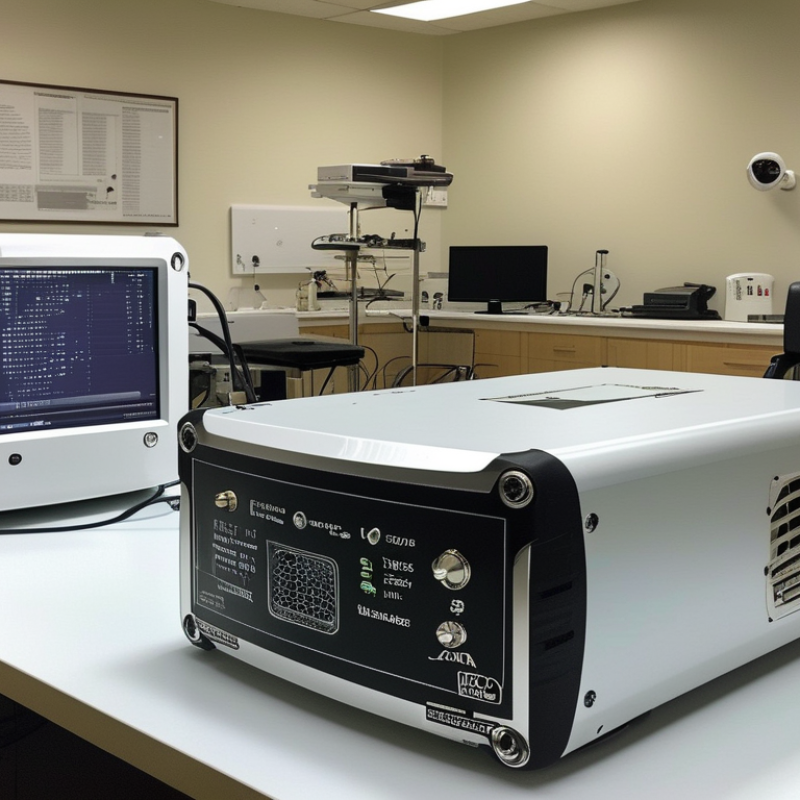
Diode laser technology uses semiconductor materials to create a focused beam of light. A diode is a small electronic component, similar to those used in computer devices. When electrical current passes through it, electrons release energy as photons. These photons combine into a narrow, concentrated beam.
The wavelength controls how the laser interacts with a target. In cosmetic equipment, selected wavelengths can heat pigment or hair follicles. In manufacturing, other wavelengths may mark, cut, or treat specific materials. The beam travels through an optical system, which shapes and directs it. The target absorbs the light and converts it into heat. This process happens quickly. Small changes matter.
In a business setting, performance depends on more than laser power. Cooling, pulse duration, skin or material type, and treatment distance can affect results. Experienced operators check these factors before each procedure or production task. Safety eyewear, ventilation, protective housing, and regular calibration are essential.
It is tempting to assume that higher power always improves efficiency. That assumption can be wrong. Excessive heat may damage materials or create unnecessary discomfort. Real workplaces are less predictable than product demonstrations. Dust, motion, operator technique, and maintenance can change performance. Clear operating records and qualified technical support help businesses make safer, more consistent decisions.
Diode laser technology serves many industries because it offers compact equipment, efficient energy use, and precise output. In electronics factories, it supports soldering, wire stripping, surface inspection, and selective heating. A focused beam can create clean results around delicate components. Operators also use diode lasers for plastic welding and small-scale marking. That precision matters.
Automotive and metalworking businesses use diode laser systems for welding, cladding, alignment, and surface treatment. Jewelry workshops apply them to fine repairs, engraving, and controlled heat work. Healthcare businesses may use diode lasers in approved dental, dermatological, and therapeutic applications. Medical procedures require trained professionals, documented protocols, and equipment that meets local regulations. Safety comes first.
Retail and service companies also use diode lasers for hair reduction, cosmetic treatments, and equipment demonstrations. Installation teams should check ventilation, protective eyewear, beam enclosures, and operator training before daily use. The right wavelength, power range, and cooling method depend on the material and application. A low-cost unit may perform poorly when production demands rise. This is where many purchasing plans become too optimistic. Pilot testing, maintenance records, and measurable quality checks can reveal hidden limitations. Even experienced teams should review calibration regularly. No setup is perfect.
Diode laser technology can give businesses a practical advantage in speed, energy use, and process control. Its compact design fits automated cells, handheld tools, and small production lines. In welding, cutting, marking, and surface treatment, stable beam delivery can improve repeatability. Less material distortion may also reduce rework and scrap.
The demand for automation is measurable. The International Federation of Robotics reported 541,302 industrial robots installed worldwide in 2023, a 10% annual increase. Diode laser systems can connect with these platforms through sensors, motion controls, and programmable recipes. That connection supports consistent output across shifts. It also helps operators monitor power, temperature, and cycle time. Grand View Research valued the global laser technology market at nearly 19 billion dollars in 2023, indicating strong investment across manufacturing and technical services.
Operating savings matter. Diode systems generally require less floor space and can start quickly, reducing idle time. Their solid-state construction may lower routine maintenance compared with older laser architectures. However, the economics are not automatic. Cooling requirements, safety controls, optics, and operator training still affect total cost. A cheaper unit can become expensive when beam quality drifts. That assumption can fail. Businesses should compare measured energy use, uptime, defect rates, and service costs before purchasing. Pilot testing on real materials is wiser than relying on a sales forecast. Forecasts are useful, but factory evidence is better.
Before adopting diode laser technology, businesses should examine more than treatment speed. Define the service you plan to provide and identify your expected customers. Different skin tones, hair types, and treatment areas may require different settings. Ask suppliers for verified technical data, safety documentation, and operator training details. A polished demonstration is helpful, but it does not replace supervised practice.
Budget carefully. Include equipment cost, installation, maintenance, protective eyewear, staff training, insurance, and room preparation. Calculate realistic appointment numbers, not optimistic projections. The payback period may change during quiet seasons. Check local rules for facility standards, professional qualifications, and client records. Reliable businesses also create clear consultation forms, patch-test procedures, aftercare instructions, and incident reports. These details can feel tedious. They protect both clients and staff.
Tips: Compare at least three technical proposals. Request service-response times in writing. Watch a trained operator perform a complete session, from consultation to cleaning. Measure comfort, workflow, and documentation quality. Do not choose the lowest price automatically. A cheaper system may create higher downtime or training costs. Review independent clinical evidence where available, and ask whether replacement parts remain accessible. Before launch, test the workflow with a small, carefully selected group and record honest feedback. Some assumptions will be wrong. Adjust them before expanding.
Implementing a diode laser system starts with a clear production assessment. Define the material, workload, workspace, and expected output before selecting equipment. A system designed for occasional processing may struggle under continuous operation. That mismatch becomes expensive.
Place the unit on a stable, clean surface with suitable ventilation and controlled access. Keep reflective objects away from the beam path. Operators should receive documented training on startup, shutdown, emergency stops, and protective equipment. A qualified technician should verify alignment, electrical connections, cooling, and enclosure performance. Follow local workplace and laser safety requirements. Small details matter.
Maintenance should follow a written schedule, not memory. Inspect lenses, cables, cooling lines, filters, and warning labels at regular intervals. Clean optical components with approved materials and gentle handling. Record operating hours, temperature changes, faults, and replaced parts. These records help technicians identify gradual performance loss. They also support reliable service decisions.
A practical mistake is waiting for visible failure. Output may weaken before the machine stops. Test power consistency and beam quality during normal production, then compare the results with baseline measurements. If readings drift, pause the process and investigate safely. Some teams over-clean components, which can cause damage. Less can be safer. Review the maintenance plan after several months, because real production conditions may expose assumptions that looked reasonable during installation.
: It can improve speed, energy use, repeatability, and process control. Its compact structure fits automated cells, handheld tools, and small production lines. Less distortion may reduce rework and scrap.
They can connect with sensors, motion controls, and programmable operating settings. Operators can monitor power, temperature, and cycle time. Consistent output becomes easier across different shifts.
It may require less floor space and start quickly. Solid-state construction can reduce routine maintenance. Savings are not guaranteed. Cooling, safety controls, optics, training, and repairs still affect total cost.
Compare energy use, uptime, defect rates, maintenance, and service costs. Calculate realistic customer volume and seasonal demand. A low purchase price may hide expensive downtime.
Pilot testing is strongly advisable. Use real materials or a small, carefully selected customer group. Record cycle time, comfort, defects, feedback, and cleaning requirements. Factory evidence can challenge optimistic forecasts.
Define the intended service and expected customers. Different skin tones, hair types, and treatment areas may require different settings. Request technical data, safety documents, and operator training details. A polished demonstration is not enough.
Include installation, maintenance, protective eyewear, staff training, insurance, and room preparation. Also consider replacement parts and service-response times. Small costs accumulate quickly.
Use clear consultation forms, patch-test procedures, aftercare instructions, and incident reports. Train operators through complete supervised sessions. Check local facility and professional requirements. Some assumptions will be wrong. Adjust before expanding.
Diode Laser Technology uses semiconductor-based laser sources to produce a concentrated, controllable beam of light for cutting, marking, welding, engraving, sensing, and other precision tasks. Its compact structure, rapid response, and flexible power options make it useful across manufacturing, electronics, automotive, medical equipment production, packaging, research, and service-based businesses. By improving accuracy, repeatability, processing speed, and material efficiency, diode lasers can help companies reduce waste, streamline workflows, and achieve more consistent product quality.
Before adoption, businesses should evaluate the materials to be processed, required output, available workspace, budget, operator training, safety controls, and compatibility with existing equipment. A practical implementation plan should include equipment testing, workflow integration, staff instruction, protective procedures, and performance monitoring. Regular cleaning, alignment checks, cooling-system inspections, software updates, and scheduled maintenance can extend system life and minimize downtime. With careful planning and responsible operation, diode laser systems can provide a scalable solution for businesses seeking greater productivity and precision.

UNT TECH