What Is Better Single or Triple Wavelength Diode Laser?

Time:2026-09-28 Author:Amelia
0%

Choosing between a single-wavelength and triple-wavelength diode laser is not simply a choice between basic and advanced. The right fit depends on the treatment goals, device design, and the person receiving treatment. Single-wavelength systems use one principal wavelength, which can offer a focused setup. Triple-wavelength systems combine several wavelengths, often including 755, 810, and 1064 nm, but specifications vary by manufacturer. More wavelengths do not automatically mean better results. Details matter.

A practical paraphrase of laser researcher Dr. Rox Anderson’s wavelength-selection principle is: “Match the wavelength to the target, not the sales pitch.” This is a summary, not a verbatim quotation. It captures an important point in the Single Wavelength Vs Triple Wavelength Diode Laser discussion: wavelength is only one part of performance. Skin tone, hair characteristics, cooling, pulse settings, operator training, and device testing all deserve attention. For example, two machines with three listed wavelengths may differ in how they deliver energy and manage heat. A specification sheet alone cannot settle the comparison. Nor can a confident sales claim. Ask what evidence supports the device’s claims, and how its settings are adjusted for different clients. The answer may feel less tidy than a simple “single or triple” verdict. That is worth remembering. This introduction sets up a practical comparison of benefits, limitations, and questions to ask before choosing a system.
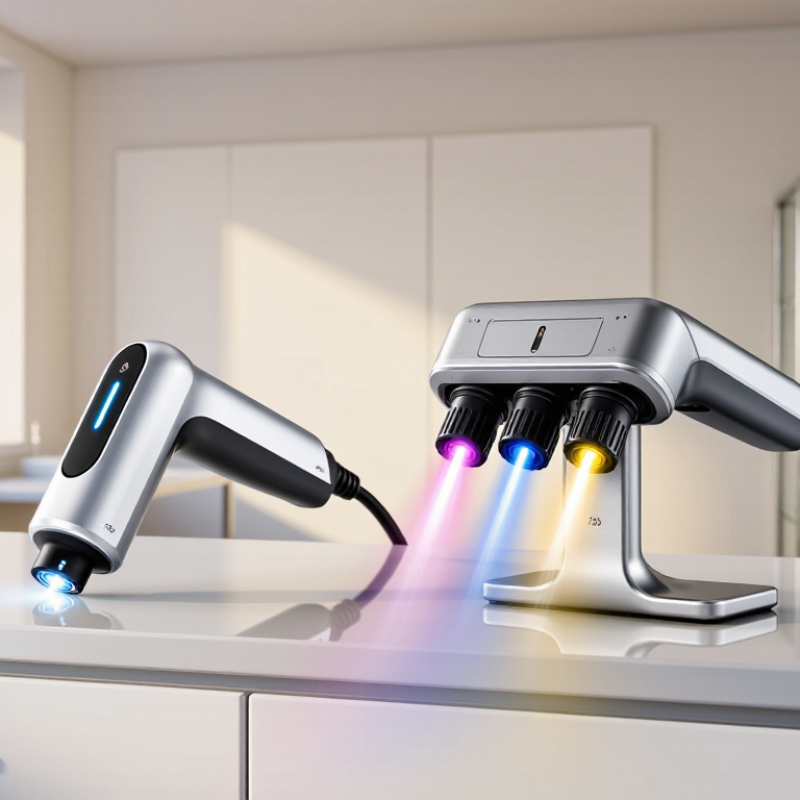
What Is Better Single or Triple Wavelength Diode Laser?

Diode Laser Fundamentals: 755, 810, and 1064 nm Wavelengths

What Is Better: Single or Triple Wavelength Diode Laser?
Diode Laser Fundamentals: 755, 810, and 1064 nm Wavelengths

The three wavelengths interact differently with hair and skin. At 755 nm, melanin absorbs more energy, which can suit finer, lighter hair when skin contrast is appropriate. The 810 nm wavelength offers a middle ground and is widely used for varied hair types. At 1064 nm, melanin absorption is lower and penetration is deeper, making careful settings especially important. These are tendencies, not guarantees.

A clinical review by Gan and Graber in Dermatologic Surgery (2013) discusses wavelength choice, skin type, hair characteristics, and treatment parameters as key factors in laser hair removal. A triple-wavelength handpiece can deliver all three bands, but combining wavelengths does not automatically improve results. Cooling, pulse duration, fluence, and operator assessment matter too. Not always simple. In practice, coarse dark hairs on a small treatment area may respond differently from fine hair across a larger area. Individual response varies, and the evidence does not support one wavelength as best for everyone.

Tips: Ask how the provider selects settings for your skin tone and hair thickness, not just which wavelengths the device lists. A patch test and clear discussion of expected redness or discomfort can help set realistic expectations. Small details matter. This is one area where neat wavelength rankings can mislead.

Single-Wavelength Systems: 810 nm Targeting and Fitzpatrick Skin Types I–VI

An 810 nm diode laser uses a wavelength that is absorbed by melanin in hair follicles. Its energy can reach follicles below the skin surface, making it a common choice for reducing unwanted hair. The wavelength alone, however, does not determine comfort or results. Hair color, hair thickness, treatment area, and settings all matter.

Fitzpatrick types I–VI describe how skin tends to respond to sunlight, not a guaranteed laser outcome. Types I–III may have less competing epidermal melanin, while types IV–VI need especially careful settings to limit unwanted heating. Cooling, pulse duration, and energy should be adjusted to the person and body area. A qualified practitioner can assess skin history and perform a test spot when appropriate.

Small details count. Fresh tanning, recent irritation, and medicines that increase light sensitivity may affect treatment planning. Dark, coarse hair often responds better than pale, gray, or red hair because it contains more target pigment. That is not a promise. An 810 nm system may be suitable across a broad range of skin tones, but “I–VI” should never be read as identical settings for everyone. Even careful protocols have limits, and results vary between individuals.

Triple-Wavelength Systems: Combining 755, 810, and 1064 nm

Triple-wavelength diode systems combine 755, 810, and 1064 nm light in one platform. The benefit is flexibility, not an automatic guarantee of better results. Each wavelength interacts differently with melanin and reaches different depths in the skin. But more is not always better.

The 755 nm wavelength is often used for finer hair when there is clear contrast between hair and skin.

The 810 nm option is widely used across many treatment situations.

At 1064 nm, light penetrates more deeply and is absorbed less by epidermal melanin than shorter wavelengths. It may therefore suit some darker skin tones, with careful professional assessment.

These are general patterns, not promises. Hair color, thickness, skin tone, treatment area, and device settings all influence response.

A trained practitioner can select or combine wavelengths based on an individual assessment. The number on the device does not replace experience. Appropriate settings, cooling, protective eyewear, and a patch test when indicated still matter.

Small details count. Hair grows in cycles, so multiple sessions are commonly needed, and temporary redness or tenderness may occur. I would be cautious about any claim that one combination works equally well for everyone; real treatment responses vary.

Comparing Wavelengths by Melanin Absorption and Penetration Depth

Choosing a single- or triple-wavelength diode laser means matching light to melanin and follicle depth. Common wavelengths are 755, 810, and 1064 nm. A 2013 review by Gan and Graber in Lasers in Medical Science describes their different melanin selectivity: shorter wavelengths are absorbed more strongly, while longer wavelengths generally penetrate deeper. These are relative patterns, not fixed depth figures; skin, pulse settings, and cooling all affect delivery.

A 755-nm component may suit melanin-rich hair, but it leaves less room for error in darker or tanned skin. At 810 nm, absorption and penetration are more balanced. The 1064-nm wavelength is less absorbed by melanin and reaches deeper tissue, though settings still matter. Triple wavelengths offer flexibility, not guaranteed better results. Hair color, thickness, and follicle depth vary—even across one treatment area.

Tips: Ask how the provider matches wavelength and fluence to your skin tone and hair. A small test area can help assess the response. Share any recent tanning, and ask about cooling and eye protection.

Single or Triple Wavelength Diode Laser?

Wavelength affects both melanin absorption and how deeply light tends to penetrate. This comparison shows three commonly used diode-laser wavelengths.

How to read this: Relative melanin absorption is normalized to 100 at 755 nm and estimated using melanin’s approximate inverse-cube wavelength relationship. Penetration tendency is a qualitative ranking, not a measured depth in millimeters. Actual results vary with skin, hair, device settings, and tissue properties. Longer wavelengths generally penetrate more deeply while being less strongly absorbed by epidermal melanin.

Choosing a System: Match Wavelengths and Fluence in J/cm² to Treatment Needs

Choosing a diode laser means matching its wavelengths and fluence to the person, not simply choosing the system with the most wavelengths. A single-wavelength unit may suit a consistent treatment profile. A multi-wavelength system can offer more flexibility for varied skin tones and hair characteristics, but extra options do not guarantee better results. Wavelength affects how light interacts with melanin and reaches the follicle. Fluence, measured in J/cm², describes energy delivered per area. It must be considered alongside pulse duration, spot size, cooling, and the individual’s response.

There is no universal fluence setting. Darker, coarser hair may respond differently from fine hair, while recently tanned or sensitive skin may need a more cautious approach. A trained practitioner should follow the device’s instructions, assess skin and hair, and adjust settings gradually. A patch test can help check comfort and skin response. It is tempting to compare J/cm² numbers between machines, but that alone can mislead; device design and treatment conditions matter too. Real skin is not a specification sheet.

Tips: Ask how wavelength selection and fluence are tailored to your skin and hair. Confirm that cooling is used and that settings are recorded between sessions. Tell the practitioner about recent sun exposure or skin changes. Small adjustments matter. Some uncertainty remains, so discuss expectations and possible irritation before treatment.

FAQS

What do 755, 810, and 1064 nm wavelengths do?

They interact with melanin differently and reach different depths. The 755 nm option is often used for finer hair with clear skin contrast. The 810 nm option is widely used. The 1064 nm wavelength penetrates deeper and is absorbed less by epidermal melanin.

Does a triple-wavelength system guarantee better results?

No. It offers more flexibility, but outcomes depend on hair color, thickness, skin tone, treatment area, and settings. More options are not automatically better.

Which wavelength may suit darker skin tones?

The 1064 nm wavelength may suit some darker skin tones because epidermal melanin absorbs less of it. Careful professional assessment still matters. It is not a promise.

What is fluence, and why does it matter?

Fluence is the energy delivered per area, measured in J/cm². It should be considered with pulse duration, spot size, cooling, and individual response. One number alone can mislead.

How should a practitioner choose settings?

A trained practitioner should assess skin and hair, follow device instructions, and adjust settings gradually. Real skin is not a specification sheet.

Is a patch test useful?

It can help assess comfort and skin response when indicated. Ask whether a small test area is appropriate for you. Small details matter.

What safety steps should I ask about?

Ask about cooling, protective eyewear, and how settings are selected. Share recent tanning or skin changes before treatment. That can be easy to overlook.

How many sessions might be needed, and what reactions can occur?

Multiple sessions are commonly needed because hair grows in cycles. Temporary redness or tenderness may occur. Responses vary, so discuss expectations beforehand.

Conclusion

Single Wavelength Vs Triple Wavelength Diode Laser systems differ mainly in how they deliver energy at selected depths and interact with melanin. A single-wavelength system, often centered on 810 nm, offers a focused approach and may be used across Fitzpatrick skin types I–VI when treatment settings are chosen appropriately. The 755 nm wavelength has stronger melanin absorption, while 1064 nm generally penetrates more deeply and is less strongly absorbed by melanin. The 810 nm wavelength provides a middle ground between these characteristics.

Triple-wavelength systems combine 755, 810, and 1064 nm to address a broader range of hair and skin characteristics in one treatment approach. Neither option is automatically better for every person or treatment goal. Choosing between them involves considering skin type, hair characteristics, desired coverage, and the device’s available fluence, measured in J/cm². Appropriate settings and professional assessment are important for tailoring treatment and supporting safe, consistent results.


Amelia

Amelia

Amelia is a seasoned marketing professional with a wealth of expertise in our company’s core offerings. With an unwavering passion for driving growth and innovation, she plays a pivotal role in shaping our marketing strategies and enhancing brand visibility. A key aspect of her responsibilities......