Best 1064nm Diode Laser Hair Removal Machine?

Time:2026-10-13 Author:Sophia
0%

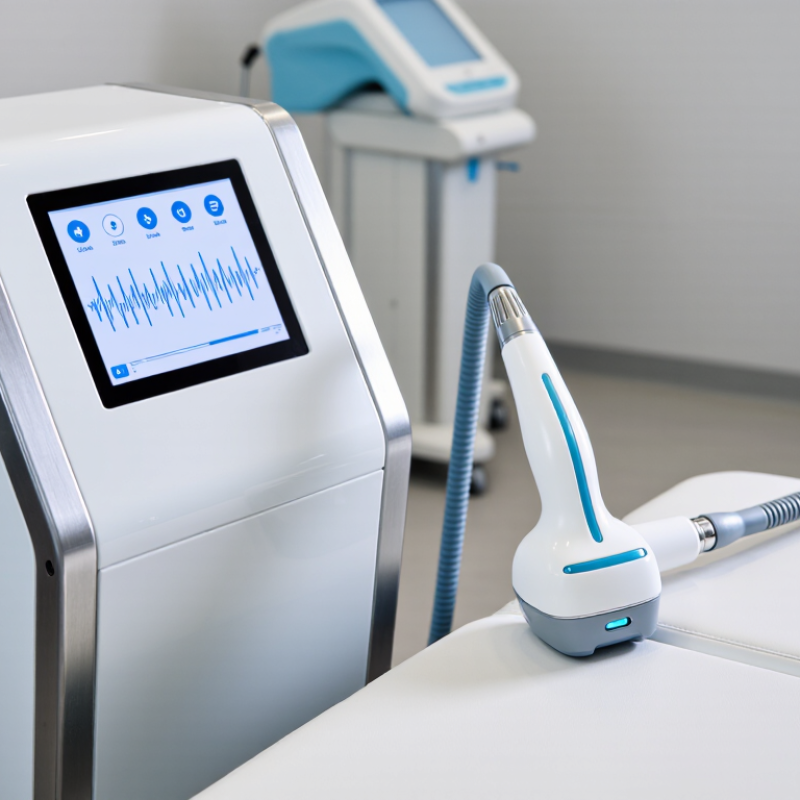
Choosing the Best 1064nm Diode Laser Hair Removal machine requires more than comparing power ratings or polished product photos. A dependable system must match wavelength performance with skin tone, hair thickness, cooling quality, pulse control, and operator training. The treatment room matters, too. A stable handpiece, clear display, and comfortable contact surface can influence consistency during long sessions.

Dr. Tina Alster, a respected laser dermatologist, has stated, “The best laser is the one that is safest and most effective for the patient.” That principle should guide every machine comparison. A 1064nm Diode Laser Hair Removal platform may offer deeper energy delivery and stronger suitability for some darker skin types, but results still depend on calibrated fluence, pulse duration, and careful assessment. No device works perfectly for every person. Hair color, hormonal changes, treatment area, and aftercare can alter the outcome.

This guide examines practical performance, not marketing language. We will consider cooling temperature, spot size, treatment speed, safety features, service support, and clinical usability. We will also question impressive claims when independent evidence is limited. Some specifications look excellent on paper. They may feel different in a busy clinic. The “best” machine is not always the most powerful one. It is the system that delivers repeatable results, protects the patient, and remains manageable for trained professionals.
Best 1064nm Diode Laser Hair Removal Machine?

How 1064nm Diode Laser Hair Removal Technology Works

Best 1064nm Diode Laser Hair Removal Machine?

How 1064nm Diode Laser Hair Removal Technology Works

A 1064nm diode laser delivers near-infrared light into the skin. Its longer wavelength reaches deeper hair follicles than many shorter wavelengths. Melanin in the hair absorbs the energy and converts it into controlled heat. This heat damages the follicle’s growth structures without removing the skin surface.

The technology can suit clients with darker skin tones because skin melanin absorbs 1064nm energy less strongly. However, it is not risk-free. Safe treatment still depends on skin assessment, test spots, pulse settings, and effective cooling. A trained practitioner adjusts fluence, pulse duration, and repetition rate for each area. Coarse underarm hair may need different settings from fine facial hair.

Hair grows in cycles. The laser works best when follicles are in the active growth phase. Several sessions are usually needed. Results vary with hormones, hair density, and treatment consistency. Shaving is commonly preferred before treatment, while waxing can remove the target beneath the skin.

It is not a magic switch.

In practice, even experienced operators can misjudge sensitivity or heating. Redness around the follicle may be normal, but persistent pain, blistering, or pigment changes require medical attention. A reliable machine should provide stable energy delivery, accurate cooling, clear controls, and documented safety testing. “Best” depends less on appearance and more on measured performance, professional training, and honest client screening.

Key Features of an Effective 1064nm Hair Removal Machine

Best 1064nm Diode Laser Hair Removal Machine?

An effective 1064nm hair removal machine needs more than strong output. In practical treatment, stable energy delivery matters most.

The wavelength reaches deeper follicles and usually causes less surface melanin absorption. This can support treatment for many skin tones, when settings match the client’s skin and hair. It is not universal.

Look for adjustable fluence, pulse duration, and spot size.

These controls help practitioners treat coarse hair, fine regrowth, and sensitive areas more precisely. Reliable contact cooling can reduce heat at the skin surface. A clear temperature display is useful during longer sessions. The handpiece should feel balanced, not heavy after several minutes.

Comfort matters greatly.
So does consistency.

A dependable system should offer responsive controls, visible treatment feedback, and simple maintenance access.

Operators also need proper eye protection, patch testing, and documented training. Clinical records can reveal whether redness, discomfort, and hair reduction remain within expected ranges.

A polished screen does not prove performance. Ask about energy calibration and service support instead.

No machine is perfect. Some models may work slowly on fine hair, while aggressive settings can increase irritation. Hair growth cycles also limit results, regardless of device quality.

I would choose predictable output over impressive marketing numbers. Safe, measured adjustments often produce better experiences than chasing maximum power.

How to Compare 1064nm Laser Machines for Different Skin Types

How to Compare 1064nm Laser Machines for Different Skin Types

Choosing the best 1064nm diode laser machine starts with skin assessment, not marketing claims. The 1064nm wavelength penetrates deeply and is absorbed less by epidermal melanin. This makes it a common option for Fitzpatrick skin types IV to VI. However, darker skin still needs controlled fluence, longer pulse durations, and reliable cooling. Small mistakes can cause burns or temporary pigment changes.

The American Academy of Dermatology reports that patients commonly need two to six laser hair removal sessions. Results vary with hair color, density, hormones, and treatment area. A peer-reviewed review in Lasers in Medical Science also found that long-term hair reduction often reaches approximately 70–90% after a treatment series. These figures are useful, but they are not promises.

Clinics should compare spot size, pulse width, cooling temperature, energy stability, and adjustment ranges.

For lighter skin, higher energy may improve treatment efficiency, especially with coarse, dark hair. For deeper skin tones, epidermal protection matters more than maximum power. Ask whether the machine supports test spots and gradual parameter changes. Request clinical records, not only photos. Fitzpatrick classification helps, but it is imperfect. Skin condition, recent sun exposure, and medication history can change risk. I would also check operator training and maintenance logs. The machine matters, but human judgment matters more.

Safety Standards and Treatment Considerations for 1064nm Lasers

Best 1064nm Diode Laser Hair Removal Machine?

Safety should guide every 1064nm laser decision. The wavelength penetrates deeply and is absorbed less by epidermal melanin than shorter wavelengths. This can benefit darker skin tones, but burns remain possible. The American Academy of Dermatology Association reports that laser hair removal usually requires multiple sessions, often spaced several weeks apart. Permanent reduction does not mean complete removal.

Look for equipment tested against IEC 60601-2-22, which covers medical laser safety, and IEC 60825-1, which classifies laser hazards. ISO 14971 also supports formal risk management for medical devices. Operators should verify wavelength-specific protective eyewear, emergency shutoff access, cooling performance, and calibration records. A patch test helps reveal excessive fluence or poor pulse settings. It is not optional in practice.

Treatment settings must reflect hair thickness, skin tone, recent tanning, and medication history. The FDA describes permanent hair reduction as stable regrowth reduction measured over six, nine, and twelve months. Results need honest documentation. A flawless protocol is unrealistic. Even experienced operators can miss subtle redness under bright treatment-room lights. Cooling, clean skin, controlled passes, and clear aftercare instructions reduce avoidable problems. Qualified clinical supervision still matters.

Maintenance, Operating Costs, and Long-Term Machine Value

Best 1064nm Diode Laser Hair Removal Machine?

A 1064nm diode laser machine should be judged beyond its purchase price. In daily clinic operation, cooling performance, handpiece durability, and calibration stability affect treatment consistency. Clean the treatment window after every session. Check air filters weekly, and schedule professional calibration according to the manufacturer’s technical guidance. Small maintenance delays can become expensive repairs.

Operating costs include electricity, replacement filters, cooling fluid, training, and service visits. Downtime is often overlooked. One failed handpiece can interrupt appointments and reduce client confidence. Ask for clear warranty coverage, available spare parts, repair response times, and safety documentation. A lower-priced machine may look attractive, but its cost per treatment can rise quickly when support is weak. The calculation is not always perfect. Real usage differs from sales projections.

Tips: Keep a maintenance log with treatment hours, errors, cleaning dates, and replaced parts. Train every operator to recognize unusual sounds, temperature changes, or inconsistent output. Never ignore repeated warning messages. Long-term value comes from reliable uptime, safe operation, adjustable settings, and serviceable components. A machine that remains stable after years of regular use usually deserves more attention than one with impressive specifications alone.

FAQS

Why is 1064nm commonly considered for darker skin tones?

Its energy penetrates deeply and is absorbed less by epidermal melanin. This may reduce surface pigment risk. Burns remain possible. Careful settings still matter.

How should a clinic compare 1064nm laser machines?

Compare spot size, pulse width, cooling temperature, energy stability, and adjustment ranges. Ask for calibration records. Maximum power is not everything.

How many sessions might laser hair reduction require?

Many patients need two to six sessions, spaced several weeks apart. Hair color, density, hormones, and treatment area affect results. Outcomes vary.

Does permanent hair reduction mean every hair disappears?

No. It usually means stable regrowth reduction over time. Long-term reduction may reach about 70–90% after a treatment series. That is not a promise.

What safety features should a 1064nm laser include?

Look for reliable cooling, emergency shutoff access, protective eyewear, and documented calibration. Equipment should follow relevant laser safety standards. Small details count.

Is a patch test necessary before treatment?

Yes, a test spot can reveal excessive fluence or unsuitable pulse settings. It should reflect the treatment area. Skipping it creates avoidable uncertainty.

Which settings matter for deeper skin tones?

Controlled fluence, longer pulse durations, and dependable cooling may improve epidermal protection. Recent tanning and medication history also matter. More energy is not automatically better.

Can Fitzpatrick skin classification predict treatment risk perfectly?

No. It provides useful guidance, but skin condition, sun exposure, and medication history can change risk. The classification is imperfect. Human judgment remains essential.

What evidence should a clinic provide before treatment?

Request clinical records, treatment parameters, maintenance logs, and realistic outcome data. Photos alone can mislead. Redness may be missed under bright lights.

What aftercare details reduce avoidable problems?

The operator should explain cooling, clean-skin preparation, controlled passes, and warning signs. Qualified clinical supervision matters. No checklist is perfect.

Conclusion

Choosing the best 1064nm Diode Laser Hair Removal machine requires more than focusing on wavelength alone. This technology targets hair follicles with controlled energy, making it especially suitable for deeper, thicker hair and a wide range of skin tones when used correctly. An effective system should offer adjustable fluence, pulse duration, spot size, cooling performance, and user-friendly controls. These features help operators customize treatments according to skin type, hair density, treatment area, and individual sensitivity.

When comparing machines, safety and consistency should be top priorities. Look for reliable temperature control, stable energy delivery, protective operating features, and clear treatment guidance. Proper consultation, patch testing, eye protection, and trained operation are essential considerations. Long-term value also depends on routine cleaning, scheduled servicing, replacement-part availability, energy consumption, and overall treatment efficiency. A well-designed 1064nm Diode Laser Hair Removal system should balance performance, comfort, safety, maintenance needs, and operating costs to support dependable results over time.


Sophia

Sophia

Sophia is a dedicated marketing professional with an exceptional depth of knowledge about her company's products and services. With a keen understanding of market trends and customer needs, she crafts insightful blog posts that not only inform but also engage readers, enriching the company’s online......